
In today’s rapidly evolving industrial landscape, the demand for advanced manufacturing techniques is more significant than ever. Industries ranging from aerospace to automotive are constantly seeking innovative methods to enhance the performance and efficiency of their products. One such technique that has gained prominence is resin infusion. This process is revolutionizing the way composite materials are fabricated, offering a host of advantages that traditional methods simply cannot match.
Resin infusion is a process used in composite manufacturing that involves drawing resin into a dry fiber layup using vacuum pressure. In simple terms, imagine it as a way to efficiently soak or infuse the fabric-like materials with a liquid plastic under a controlled vacuum, ensuring every gap is filled without air bubbles. This method makes the composite materials incredibly strong and lightweight while maintaining high-quality precision. By utilizing resin infusion, the technique ensures that composite materials are not only robust but also precisely engineered to meet the stringent demands of modern applications. The benefits of resin infusion extend beyond mere material properties, offering manufacturers a cost-effective and environmentally friendly solution.
As we delve into the specific advantages of resin infusion, it becomes clear why this method is becoming a preferred choice for manufacturers worldwide. From enhancing structural integrity to optimizing production efficiency, resin infusion is paving the way for a new era in composite manufacturing. For those interested in exploring how resin infusion can be integrated into their production processes, our resin infusion manufacturing services for carbon fiber and fiberglass offer a comprehensive solution tailored to your needs.

Cost-effectiveness of Resin Infusion
Reducing Material Waste for Lower Costs
One of the most compelling advantages of resin infusion in composite manufacturing is its ability to significantly reduce material waste. Traditional methods often involve excess resin and materials that are discarded, leading to increased costs and environmental impact. In contrast, resin infusion employs a precise resin flow management system that ensures only the necessary amount of resin is used. This not only minimizes waste but also enhances the overall efficiency of the manufacturing process.
By utilizing resin infusion, manufacturers can achieve a more controlled and uniform distribution of resin throughout the composite material. This precision reduces the likelihood of defects and rework, further contributing to cost savings. The ability to produce high-quality components with minimal waste makes resin infusion an attractive option for industries looking to optimize their production processes.
Affordable Tooling Compared to Traditional Methods
Another significant benefit of resin infusion is the affordability of tooling compared to traditional composite manufacturing methods. Techniques such as resin transfer molding and compression molding often require expensive and complex tooling, which can be a barrier for small to medium-sized enterprises. In contrast, resin infusion utilizes simpler and more cost-effective tooling, making it accessible to a wider range of manufacturers.
The reduced tooling costs associated with resin infusion do not compromise the quality or performance of the final product. In fact, the process allows for the creation of structural composite materials that meet or exceed the standards of more expensive methods. This affordability, combined with the ability to produce high-performance components, positions resin infusion as a highly cost-effective solution in the realm of advanced composite manufacturing.
Overall, the cost-effectiveness of resin infusion is a key factor driving its adoption across various industries. By reducing material waste and offering affordable tooling options, this innovative process enables manufacturers to produce high-quality composite materials without breaking the bank. As a result, resin infusion is not only a financially viable option but also a strategic choice for companies looking to enhance their competitive edge in the market.

Quality and Efficiency of the Process
Process Control for High-Quality Laminates
Resin infusion is renowned for its ability to produce high-quality laminates with consistent properties, a feat achieved through process control. The use of vacuum infusion technology ensures that the resin is evenly distributed across the composite material, resulting in a uniform and defect-free laminate. This level of precision is crucial in industries where the performance and reliability of composite materials are paramount.
By employing infusion molding techniques, manufacturers can achieve superior control over the resin flow, which is essential for creating laminates with consistent thickness and strength. The process also allows for the integration of various fibers, such as carbon fiber infusion and fiberglass resin infusion, to tailor the properties of the composite to specific applications. This adaptability makes resin infusion a versatile choice for composite material fabrication across diverse sectors.
The ability to produce high-quality laminates consistently not only enhances the performance of the final product but also reduces the need for costly rework and quality control measures. As a result, resin infusion stands out as a reliable and efficient method for producing top-tier composite materials.
Increasing Production Efficiency with Mastered Techniques
One of the standout features of resin infusion is its potential to significantly increase production efficiency. Once the straightforward techniques of the process are mastered, manufacturers can achieve rapid and repeatable results. The composite layup process involved in resin infusion is streamlined, allowing for faster setup and reduced cycle times compared to traditional methods.
The efficiency of resin infusion is further enhanced by the use of resin distribution media, which facilitates the even spread of resin throughout the composite. This not only speeds up the infusion process but also ensures that the final product meets the desired specifications. The ability to optimize the infusion process leads to a more efficient production line, enabling manufacturers to meet tight deadlines and increase output without compromising on quality.
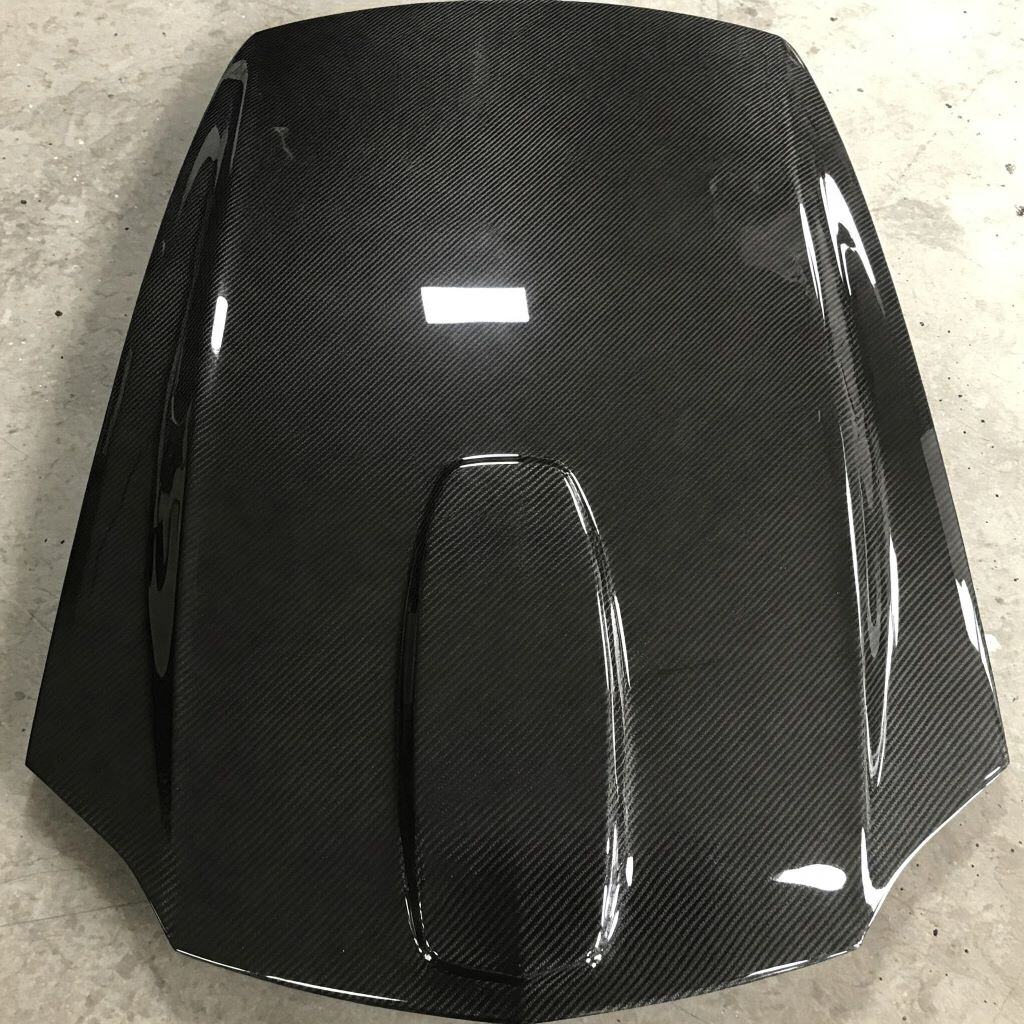
Moreover, the simplicity of the resin infusion process means that it can be easily scaled to accommodate varying production volumes. Whether producing small batches or large-scale orders, manufacturers can rely on resin infusion to deliver consistent and efficient results. This scalability, combined with the process’s inherent efficiency, makes resin infusion an attractive option for companies looking to enhance their manufacturing capabilities.
Scalability for High Production Volumes
Ease of Scaling for Large-Scale Production
One of the most remarkable attributes of resin infusion is its inherent scalability, making it an ideal choice for large-scale production. The process is designed to be flexible, allowing manufacturers to easily adjust parameters to accommodate increased production volumes without sacrificing quality.
The ability to scale up production efficiently is crucial for industries that demand high output, such as aerospace and automotive. Resin infusion’s adaptability means that manufacturers can quickly respond to market demands and increase production capacity as needed. The process’s reliance on infusion process optimization ensures that even as production scales, the quality and integrity of the structural composite materials remain uncompromised.
Furthermore, the use of resin distribution media and advanced resin flow management techniques allows for precise control over the infusion process, enabling manufacturers to maintain high standards of quality even at large volumes. This capability to scale efficiently makes resin infusion a strategic choice for companies looking to expand their production capabilities while maintaining competitive advantages.
Successful Implementation in Various Industries
Resin infusion has been successfully adopted in the marine and boating industry, demonstrating its versatility and effectiveness in producing high-quality marine components. In this sector, the technique is particularly beneficial for fabricating hulls and decks, where strength and weight are critical factors. The use of fiberglass infusion in boat manufacturing exemplifies how resin infusion can enhance performance by increasing durability and reducing weight, vital for improving speed, fuel efficiency, and vessel longevity. This advanced technique ensures that marine vessels meet the rigorous demands of ocean and freshwater navigation while maintaining superior performance standards.
Similarly, the automotive industry has embraced resin infusion for its ability to produce durable and lightweight components that improve vehicle efficiency and performance. The process’s compatibility with fiberglass resin infusion allows for the creation of parts that are both cost-effective and high-performing, making it a popular choice for manufacturers aiming to meet stringent industry standards.
Beyond these sectors, resin infusion is also making waves in the renewable energy industry, particularly in the production of wind turbine blades. The technique’s ability to produce large, complex shapes with consistent quality is invaluable in this field, where the performance and reliability of components are paramount.
These examples highlight the successful implementation of resin infusion across various industries, showcasing its potential to revolutionize advanced composite manufacturing. As more companies recognize the benefits of this innovative process, resin infusion is poised to become a cornerstone of modern manufacturing strategies.
Conclusion
Resin infusion has emerged as a transformative force in the realm of composite manufacturing, offering a multitude of benefits that are reshaping industry standards. By integrating advanced techniques such as resin infusion, it ensures the production of high-quality, durable, and lightweight composite materials. The process’s ability to reduce material waste and lower production costs makes it an economically viable option for manufacturers seeking to optimize their operations.
The advantages of resin infusion extend beyond cost-effectiveness. The method’s precision and control result in laminates with consistent properties, meeting the rigorous demands of industries like marine, automotive, and renewable energy. The scalability of resin infusion further enhances its appeal, allowing manufacturers to efficiently increase production volumes without compromising on quality. This adaptability positions resin infusion as a key player in the future of advanced composite manufacturing.
As industries continue to evolve, the need for sustainable and efficient production solutions becomes increasingly critical. Resin infusion offers a pathway to achieving these goals, providing a method that not only meets current demands but also anticipates future challenges. By embracing this innovative technique, manufacturers can enhance their competitive edge and contribute to a more sustainable industrial landscape.
For those looking to explore the potential of resin infusion, the opportunities are vast and promising. Whether you’re aiming to improve product performance, reduce environmental impact, or increase production efficiency, resin infusion offers a comprehensive solution. As you consider the future of your manufacturing processes, let the transformative benefits of resin infusion inspire you to adopt this cutting-edge method and unlock new possibilities for growth and innovation.
