
Machining processes are the backbone of modern manufacturing, playing a crucial role in shaping the components that drive industries forward. From aerospace to automotive, the precision and efficiency of machining techniques determine the quality and performance of the final products. As technology advances, the materials used in manufacturing have evolved, leading to the rise of composite materials. These advanced materials, such as carbon fiber, fiberglass, including G10 panels, offer unique properties that traditional materials cannot match, including high strength-to-weight ratios and exceptional durability.
The increasing use of composite materials across various sectors has necessitated the development of specialized machining techniques. Unlike traditional machining, which primarily deals with metals and plastics, composite machining requires a different approach to accommodate the distinct characteristics of these materials. This comparison between composite machining and traditional machining highlights the key differences in tooling, techniques, and safety considerations. For those interested in exploring more about Composite Machining, understanding these differences is essential for optimizing manufacturing processes and ensuring the highest quality outcomes.
Differences in Tooling and Techniques
Types of Cutters Used
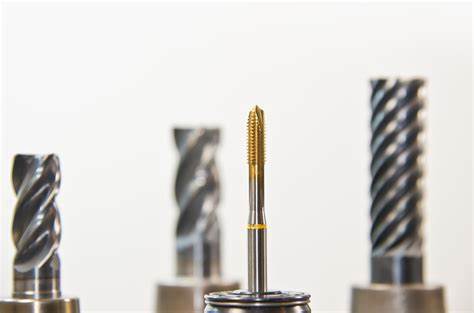
In the realm of machining, the choice of cutters is pivotal to achieving precision and efficiency. When it comes to composite material cutting, the tools used can differ significantly from those employed in traditional machining. Specialized cutters for composite materials are designed to handle the unique challenges posed by these advanced materials. For instance, carbon fiber machining requires tools that can withstand the abrasive nature of the fibers without losing their edge. Similarly, fiberglass cutting techniques demand cutters that minimize fraying and ensure clean edges.
Traditional machining, on the other hand, typically involves metals and plastics, where the focus is on durability and heat resistance. The cutters used in these processes are often made from high-speed steel or carbide, optimized for cutting through dense materials. In contrast, high-performance composite tools are often coated with diamond or other hard materials to enhance their longevity and cutting precision. This distinction in tooling is crucial for maintaining the integrity of the composite materials and achieving the desired outcomes in precision composite fabrication.
Feeds and Speeds Considerations
Adjusting feeds and speeds is another critical aspect that sets composite machining apart from traditional methods. In CNC composite machining, the feeds and speeds must be carefully calibrated to prevent damage to the material. Composite materials, such as carbon fiber and fiberglass, are sensitive to excessive heat and pressure, which can lead to delamination or other structural issues. Therefore, spindle speeds are often set lower than those used in traditional machining to ensure a smooth and controlled cutting process, while feed rates are moderate to high to help avoid melting the resin.
In traditional machining, the feeds and speeds are typically high, as metals and plastics can withstand greater forces without compromising their structural integrity. The standard practices in traditional machining focus on maximizing efficiency and throughput, often prioritizing speed over precision. However, in composite machining, precision takes precedence, necessitating a more cautious approach to feeds and speeds. This careful balance is essential for achieving the desired results in compositerouting processes and ensuring the longevity of the tools used.
Example of G10 Panel Machining
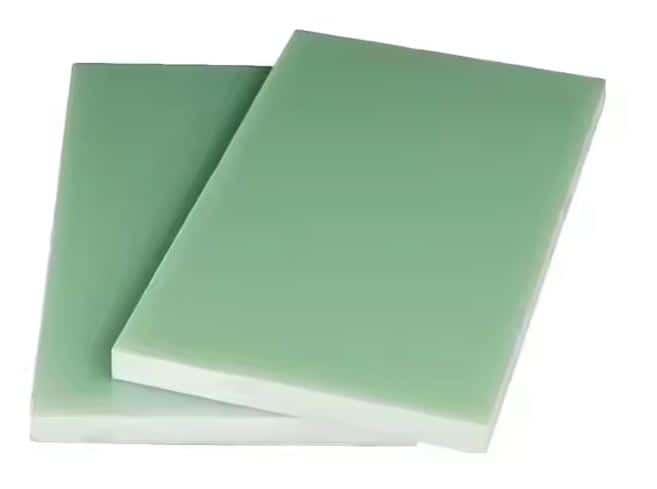
G10 panel machining presents a unique set of challenges that highlight the differences between composite and traditional machining techniques. G10, a high-pressure fiberglass laminate, is known for its strength and durability, making it a popular choice in various applications. However, when it comes to machining G10 panels, traditional methods such as waterjet cutting can lead to delamination, compromising the material’s integrity.
To address these challenges, alternative methods are employed to prevent delamination and ensure a clean cut. One such method involves using specialized cutters designed for CNC routing of FRP materials, which provide the precision and control needed to handle the intricacies of G10 panels. Additionally, heat control in machining is crucial to prevent the material from overheating and losing its structural properties. By employing these advanced composite machining techniques, manufacturers can achieve the desired outcomes without compromising the quality of the G10 panels.
Health and Safety Considerations
Dust and Particle Management
In the field of advanced composite machining, managing dust and particles is a critical health and safety concern. The importance of proper dust collection systems cannot be overstated, as the machining of composite materials like carbon fiber and fiberglass generates fine particles that can pose significant health risks. These particles, if inhaled, can lead to respiratory issues and other health complications. Therefore, implementing effective composite dust management strategies is essential to protect workers and maintain a safe working environment.
Composite material cutting, particularly when dealing with fiberglass and carbon fiber, requires specialized dust collection systems that can efficiently capture and contain airborne particles. These systems are designed to minimize the dispersion of dust, ensuring that the air quality in the machining area remains safe for operators. The health risks associated with composite dust highlight the need for stringent safety measures and the adoption of best practices in dust management. By prioritizing these considerations, manufacturers can safeguard their workforce and comply with occupational health and safety regulations.
Effectively capturing the dust from machining operations is also critical to protect the machines and electronics in the area. The fine dust particles can damage rails and bearings, degrading the mechanical components of a machine over time. Carbon dust is also electrically conductive, and if allowed to accumulate near electronics can cause short circuiting and permanant damage to computers, controllers, and other electrical hardware.
Safety Protocols in Composite Machining
Ensuring safety in CNC composite machining involves implementing comprehensive safety protocols that address the unique challenges of working with composite materials. Protective equipment and measures are crucial components of these protocols, providing operators with the necessary protection against potential hazards. This includes wearing appropriate personal protective equipment (PPE) such as respirators, gloves, and eye protection to shield against dust and debris.
When comparing safety practices in composite machining to those in traditional machining, several differences emerge. Traditional machining often involves metals and plastics, where the primary safety concerns revolve around sharp edges and high temperatures. In contrast, composite machining safety focuses on mitigating the risks associated with airborne particles and the potential for material delamination. By understanding these differences and implementing tailored safety protocols, manufacturers can create a safer working environment and reduce the risk of accidents and injuries.
Heat Control and Material Handling
Tool and Part Heat Management
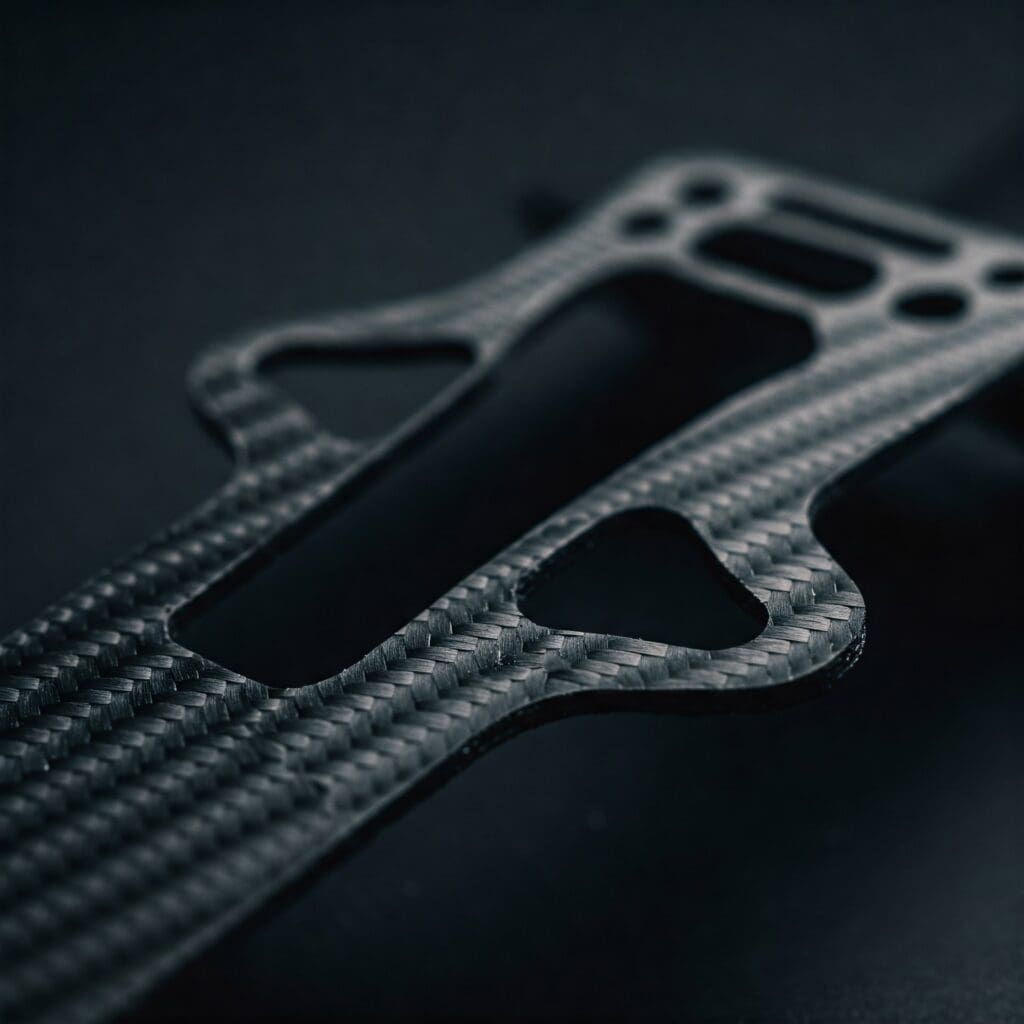
In the realm of advanced composite machining, managing heat is a critical factor that influences the quality and integrity of the final product. Techniques to prevent overheating and delamination are essential, as excessive heat can compromise the structural properties of composite materials. During composite material cutting, the friction generated between the tool and the material can lead to significant heat buildup. This is particularly true in carbon fiber machining, where the material’s thermal conductivity is low, making it prone to heat-related damage.
To address these challenges, high-performance composite tools are designed with heat dissipation in mind. These tools often feature coatings or geometries that reduce friction and enhance heat control in machining. Blowing air or another coolant media over the tool and work surface can also keep temperatures under control. The differences in heat control between composite and traditional machining are notable. In traditional machining, metals can often withstand higher temperatures without adverse effects, allowing for more aggressive cutting parameters. However, in composite machining, maintaining a lower temperature is crucial to prevent issues such as delamination and to ensure precision composite fabrication.
Holding Techniques for Composite Materials
Proper holding techniques are vital in CNC composite machining to ensure stability and precision during the cutting process. The importance of proper clamping and support cannot be overstated, as inadequate holding can lead to vibrations, misalignment, and ultimately, suboptimal results. When machining FRP materials, the challenge lies in securing the material without causing damage or deformation.
Carbon fiber, fiberglass, and G10 panels each present unique challenges in terms of material handling. For instance, G10 panel machining requires careful consideration of clamping pressure to avoid surface damage. Similarly, fiberglass cutting techniques must account for the material’s brittleness, necessitating gentle yet firm support. By employing appropriate holding techniques, manufacturers can achieve the desired outcomes in composite milling processes and ensure the longevity of both the tools and the materials being machined.
Case Study on Effective Composite Machining
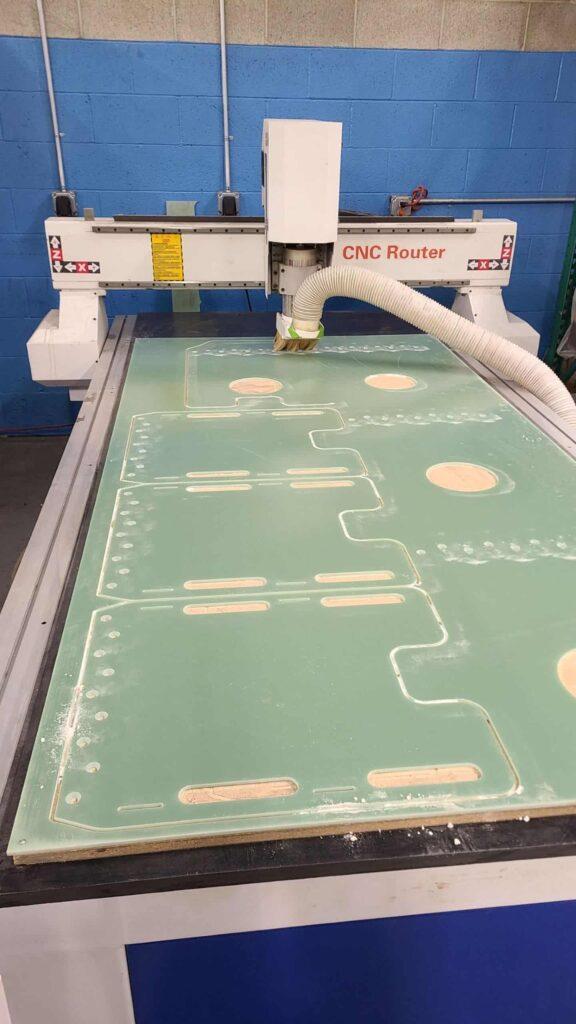
Examining successful strategies in industry applications provides valuable insights into effective composite machining. One notable case study involves a product we have machined in our own facility out of FRP panel for the medical sector. By implementing innovative composite drilling methods and optimizing our machining processes using simulation within CAM software, we achieved significant improvements in both efficiency and product quality.
Conclusion
The key differences between composite machining and traditional machining are rooted in the unique properties and requirements of the materials involved. Composite machining necessitates specialized tools and techniques to accommodate the distinct characteristics of materials like carbon fiber, fiberglass, and G10 panels. Unlike traditional machining, which often deals with metals and plastics, composite machining requires careful consideration of factors such as heat management, dust control, and material handling. The use of high-performance composite tools and advanced composite machining techniques ensures precision and quality, while also addressing the challenges posed by the abrasive and heat-sensitive nature of composite materials. These differences highlight the need for tailored approaches in machining processes to achieve optimal results and maintain the integrity of the materials being worked on.
The implications for industry practices and future trends in machining technology are significant. As the demand for lightweight, durable materials continues to grow across various sectors, the importance of mastering composite machining techniques becomes increasingly apparent. The industry is likely to see continued innovation in areas such as composite machining safety, composite dust management, and the development of new tools and technologies designed specifically for composite materials. These advancements will not only enhance the efficiency and effectiveness of machining processes but also contribute to the sustainability and environmental responsibility of manufacturing practices. As manufacturers continue to explore the potential of composite materials, the future of machining technology will undoubtedly be shaped by the ongoing evolution of composite machining innovations and the integration of these advancements into industry standards.
